Ahmedabad Top Rated IVF Center

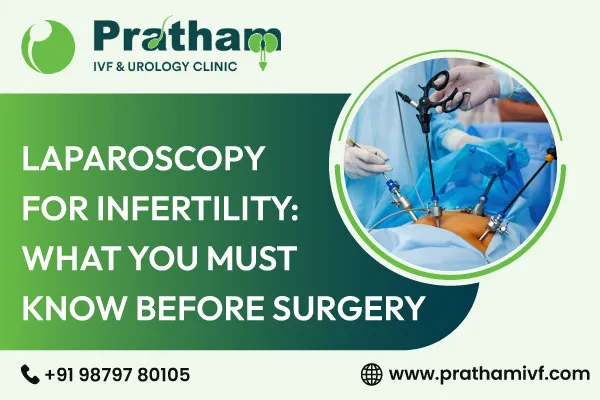
Infertility affects millions of couples worldwide, and advances in medical science have provided several solutions for diagnosis and treatment. Among these, laparoscopy for infertility stands out as a minimally invasive and highly effective procedure. At Pratham IVF Center, we have seen how this surgery can transform the journey of couples struggling with conception. In this comprehensive guide, we will discuss what laparoscopy for infertility involves, its benefits, preparation, and recovery, along with answers to the most frequently asked questions.
Understanding Laparoscopy for Infertility
Laparoscopy for infertility is a surgical procedure that allows gynecologists to examine the female reproductive organs—uterus, fallopian tubes, and ovaries—through minimal incisions. Using a thin, lighted tube called a laparoscope, surgeons at Pratham IVF Center can identify problems such as endometriosis, fibroids, pelvic adhesions, and blockages in the fallopian tubes. This precise diagnostic tool provides a clear view of internal structures and, in many cases, allows simultaneous treatment, making it both diagnostic and therapeutic.
Why Laparoscopy is Important for Infertility Diagnosis
Infertility can result from multiple factors, including hormonal imbalances, structural abnormalities, or reproductive disorders. Traditional imaging techniques like ultrasound or X-rays may not provide detailed insight into internal reproductive organs. This is where laparoscopy for infertility plays a critical role. It can detect:
- Blocked fallopian tubes
- Endometriosis
- Ovarian cysts
- Uterine fibroids
- Pelvic adhesions
Preparation Before Laparoscopy for Infertility
Proper preparation is essential for a smooth surgical procedure. At Pratham IVF Center, we guide our patients meticulously through the pre-operative process. Key steps include:
- Medical Evaluation: Blood tests, imaging studies, and physical examinations assess your overall health.
- Medication Management: Certain medications may need to be paused before surgery. Your doctor will advise accordingly.
- Fasting: Patients are usually advised to avoid food and water for a specific period before surgery.
- Informed Consent: Understanding the procedure, its benefits, and potential risks ensures patients feel confident and prepared.
Recovery and Aftercare
Post-operative care plays a crucial role in recovery. Patients are advised to follow these guidelines after laparoscopy for infertility:
- Rest for a few days and avoid strenuous activities
- Take prescribed medications for pain or infection prevention
- Monitor for unusual symptoms such as fever, severe pain, or bleeding
- Gradually resume normal diet and hydration
Benefits of Laparoscopy for Infertility
- Minimally Invasive: Small incisions mean less pain and reduced scarring.
- Accurate Diagnosis: Direct visualization allows precise identification of reproductive issues.
- Simultaneous Treatment: Many problems can be treated during the same procedure.
- Faster Recovery: Shorter hospital stays and quicker return to normal life.
- Improved Fertility Outcomes: Early detection and treatment increase chances of conception.
Risks and Considerations
While laparoscopy for infertility is generally safe, patients should be aware of possible risks:
- Infection at the incision site
- Minor bleeding
- Rare damage to organs
- Anesthesia-related complications
Why Choose Us
Choosing the right clinic is critical for successful infertility treatment. Pratham IVF Center combines state-of-the-art technology with highly skilled laparoscopic surgeons to provide precise and effective care. Our patient-centric approach emphasizes comfort, safety, and personalized treatment. With years of experience, advanced diagnostic tools, and a track record of successful outcomes, we support every patient on their journey to parenthood. Our compassionate team addresses individual needs, making Pratham IVF Center a trusted name in infertility care.
Conclusion
Laparoscopy for infertility is a transformative procedure that provides accurate diagnosis and the opportunity for immediate treatment of reproductive issues. By choosing Pratham IVF Center, patients gain access to expert care, advanced technology, and a supportive environment focused on achieving successful conception. Understanding the procedure, preparing adequately, and following post-operative guidance are key to optimal outcomes. With minimally invasive techniques, faster recovery, and effective treatment solutions, laparoscopy has become an essential tool in modern infertility care. Couples seeking answers to infertility challenges can rely on Pratham IVF Center for guidance, treatment, and hope.
For more information about treatment options, call us at +91 98797 80105 or email us at prathamivf@gmail.com.