Ahmedabad Top Rated IVF Center

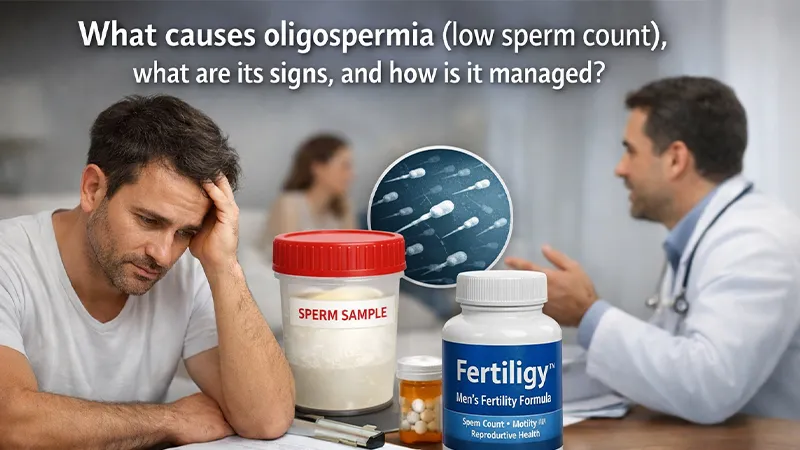
If you’ve been trying to conceive for months and every test feels like it’s pointing in a new direction, you’re not alone. Many couples start their fertility journey thinking the issue will only be linked to the female partner. Then the semen analysis report arrives, and suddenly a new word enters the conversation: oligospermia. It sounds clinical, even scary, but it simply means low sperm count — and it’s one of the most common reasons couples struggle to conceive naturally.
The most important thing to know is this: oligospermia is not the end of the road. In many cases, it has a clear cause, and in many cases, it can be managed. Even when sperm count remains low, modern fertility treatments like IUI, IVF, and ICSI offer reliable ways forward. At Pratham IVF Center, we support couples with structured evaluation, honest counselling, and personalised fertility treatment plans designed around real medical findings, not guesswork.
What Is Oligospermia (Low Sperm Count)?
Oligospermia is a male fertility condition where the sperm concentration in semen is lower than the typical range needed for natural conception. It is diagnosed through a semen analysis test, which measures:
- Sperm concentration (sperm per millilitre)
- Total sperm count in the sample
- Sperm motility (how well sperm swim)
- Sperm morphology (sperm shape)
A common misunderstanding is that sperm count alone decides fertility. In reality, sperm motility and morphology also play a major role in whether pregnancy can occur. Some men may have slightly low sperm count but excellent motility, while others may have normal count but weak movement.
At Pratham IVF Center, semen analysis reports are reviewed carefully because fertility decisions should be based on the complete picture, not a single number.
Why Low Sperm Count Affects Fertility
When sperm count is low, the chances of sperm reaching and fertilising the egg reduce. This does not mean pregnancy is impossible, but it can take longer, and in some cases, the couple may need fertility treatment. Low sperm count may also occur alongside:
- Low sperm motility
- Abnormal sperm morphology
- Reduced semen volume
- Higher sperm DNA fragmentation in selected cases
This is why a proper fertility evaluation is important. Male infertility is not rare, and it is not something couples should ignore or delay.
What Causes Oligospermia (Low Sperm Count)?
Oligospermia can happen due to lifestyle factors, medical conditions, hormonal issues, infections, or structural problems. Some causes are reversible, while others may need assisted fertility support.
Hormonal Imbalance
Sperm production is controlled by hormones. If hormone levels are disrupted, sperm count may reduce. Hormones commonly checked include:
- Testosterone
- FSH (Follicle Stimulating Hormone)
- LH (Luteinising Hormone)
- Prolactin
Hormonal imbalance may occur due to obesity, thyroid problems, chronic stress, or issues linked to the pituitary gland. At Pratham IVF Center, hormone evaluation is recommended only when it is clinically required, based on semen analysis results and patient history.
Varicocele (A Common Treatable Cause)
Varicocele refers to enlarged veins in the scrotum. It can increase scrotal temperature, which affects sperm production and quality. Varicocele is one of the most common treatable causes of oligospermia. Some men experience:
- A heavy feeling in the scrotum
- Mild discomfort
- Visible enlarged veins (in some cases)
Not all varicoceles require surgery. Treatment is considered when semen parameters are affected and fertility is a concern.
Infections and Inflammation
Infections in the male reproductive system can affect sperm quality and sperm count. These may include:
- Sexually transmitted infections
- Prostatitis (inflammation of the prostate)
- Epididymitis (inflammation of the sperm storage tube)
Infections may cause discomfort, but they can also be silent. If suspected, doctors may recommend testing and appropriate treatment.
Lifestyle Factors That Reduce Sperm Count
Lifestyle plays a bigger role in sperm health than most men realise. Sperm production is sensitive to heat, toxins, and long-term health patterns. Factors that may reduce sperm count include:
- Smoking
- Heavy alcohol consumption
- Obesity
- Poor sleep
- Chronic stress
- Heat exposure (hot baths, saunas, laptop on lap)
- Recreational drugs
At Pratham IVF Center, lifestyle guidance is practical and realistic. It is not about judgement. It is about improving the internal environment where sperm is produced.
Medical Conditions That Affect Sperm Production
Some health conditions may contribute to low sperm count, including:
- Diabetes
- Thyroid disorders
- Past testicular injury
- Undescended testis in childhood
- Chronic illness
- Certain genetic conditions
Sometimes, low sperm count is linked to multiple factors, which is why evaluation must be personalised.
Medication and Environmental Exposure
Certain medications may affect sperm production. Exposure to chemicals, pesticides, or radiation may also play a role, especially for men working in high-risk environments. This is why a fertility specialist often asks about:
- Work conditions
- Past treatments
- Long-term medication use
Signs and Symptoms of Oligospermia (Low Sperm Count)
One of the reasons oligospermia is often discovered late is because many men have no symptoms at all. Sexual function may remain completely normal. However, signs may appear when the cause involves hormonal imbalance or structural problems. Possible symptoms include:
- Reduced libido
- Difficulty with erections (in some cases)
- Pain or swelling in the testicles
- A history of infections or trauma
- Reduced facial or body hair (possible hormone-related)
Still, the most common scenario is simple: no symptoms, only a semen analysis finding.
How Is Oligospermia Diagnosed?
Semen Analysis Test
A semen analysis is the primary diagnostic test for oligospermia. It is simple, but accuracy depends on correct sample collection and interpretation. Doctors often recommend repeating the test because sperm count can fluctuate due to:
- Fever
- Stress
- Poor sleep
- Recent illness
- Lifestyle changes
At Pratham IVF Center, semen analysis results are explained in a way couples can understand. This matters because confusion creates panic, and panic leads to rushed decisions.
Additional Tests for Low Sperm Count
If semen analysis confirms low sperm count, a fertility specialist may recommend:
- Hormone tests (FSH, LH, testosterone, prolactin)
- Scrotal ultrasound (for varicocele or structural issues)
- Infection screening (if clinically suspected)
- Genetic testing (in selected severe cases)
Not every patient needs every test. The evaluation is guided by medical reasoning.
How Is Oligospermia Managed?
Management depends on the cause and severity of sperm count reduction, as well as the female partner’s fertility status. A well-planned approach can prevent wasted time and emotional exhaustion.
Lifestyle and Health Changes
For mild to moderate oligospermia, lifestyle improvement may support better sperm parameters over time. Doctors may recommend:
- Quitting smoking
- Limiting alcohol
- Healthy weight management
- Better sleep routines
- Reduced heat exposure
- Stress management
- Treating confirmed nutritional deficiencies
Treating Medical Causes
If the cause is medical, treatment becomes more direct. This may include:
- Treating infections
- Managing thyroid imbalance
- Hormone treatment under specialist supervision
- Varicocele management in selected cases
Treating the underlying cause can sometimes improve sperm count enough for natural conception or for simpler fertility treatment options.
Fertility Treatments for Low Sperm Count
When sperm count remains low or pregnancy has not occurred, fertility treatments may be recommended.
- IUI (Intrauterine Insemination): IUI may be considered when sperm count is mildly low but motility is acceptable, and the female partner has open fallopian tubes. In IUI, prepared sperm is placed directly into the uterus during the fertile window. This improves the chance of fertilisation.
- IVF (In Vitro Fertilisation): IVF is often recommended when sperm count is lower or when other fertility factors are involved. In IVF, eggs are collected and fertilised in the lab, then an embryo is transferred into the uterus.
- ICSI (Intracytoplasmic Sperm Injection): ICSI is a highly effective option for male factor infertility. In ICSI, a single sperm is injected directly into an egg to support fertilisation. ICSI is often recommended when sperm count is very low or when sperm motility is poor. At Pratham IVF Center, the choice between IUI, IVF, and ICSI is based on clinical evaluation and couple history, not assumptions.
When Should You See a Fertility Specialist?
You should consider fertility evaluation if:
- You have been trying for 12 months without pregnancy
- You have been trying for 6 months if the female partner is over 35
- Semen analysis shows low sperm count
- There is a history of varicocele, infection, or testicular injury
Early evaluation reduces unnecessary stress and helps couples take the right next step sooner.
The Bigger Truth: Oligospermia Does Not Mean No Fatherhood
This is something couples need to hear more often. Oligospermia can feel emotionally difficult, especially for men. It can trigger silence, guilt, and even denial. But low sperm count is a medical issue, and medical issues have solutions. Many couples with oligospermia achieve pregnancy through:
- Lifestyle changes
- Medical treatment
- IUI
- IVF
- ICSI
At Pratham IVF Center, we focus on giving couples clarity and a realistic path forward, because fertility treatment works best when decisions are calm and informed.
Why Choose Us
At Pratham IVF Center, we offer structured evaluation and personalised management for oligospermia and male infertility. Our team focuses on accurate semen analysis interpretation, identifying treatable causes such as varicocele, infections, and hormonal imbalance, and guiding couples towards the most suitable fertility treatment option. We believe fertility care should feel respectful, clear, and supportive, especially for male factor infertility where many couples feel confused or hesitant. Whether you need medical management, IUI, IVF, or ICSI, Pratham IVF Center provides a patient-first approach built on transparency and clinical accuracy.
Conclusion
Oligospermia, or low sperm count, is a common male fertility condition and often has no visible symptoms. It may be caused by lifestyle factors, infections, hormonal imbalance, varicocele, or underlying medical conditions. A semen analysis is the primary test used to diagnose it, and further evaluation may be recommended depending on results. Management can include lifestyle changes, treating the root cause, or fertility treatments such as IUI, IVF, and ICSI. At Pratham IVF Center, couples receive clear guidance and personalised treatment planning based on accurate diagnosis and realistic options.
To learn more about oligospermia, semen analysis, and male fertility treatment options, call Pratham IVF Center on +91 98797 80105 or book your consultation today.
Key Takeaways
- Oligospermia means low sperm count and is a common cause of male infertility.
- Most men with low sperm count have no symptoms and need semen analysis for diagnosis.
- Causes include varicocele, infections, hormonal imbalance, lifestyle factors, and medical conditions.
- Management may include lifestyle changes, medical treatment, or fertility procedures depending on severity.
- Couples can still achieve pregnancy through IUI, IVF, or ICSI with proper fertility planning.